
Gothia Cup Innebandy
Gothia Cup Innebandy generates over SEK 60 million in tourism-related economic benefits
Participants and visitors to the Gothia Cup Innebandy spend SEK 60.4 million in the Gothenburg region, according to a new survey conducted by the Upplevelseinstitutet.
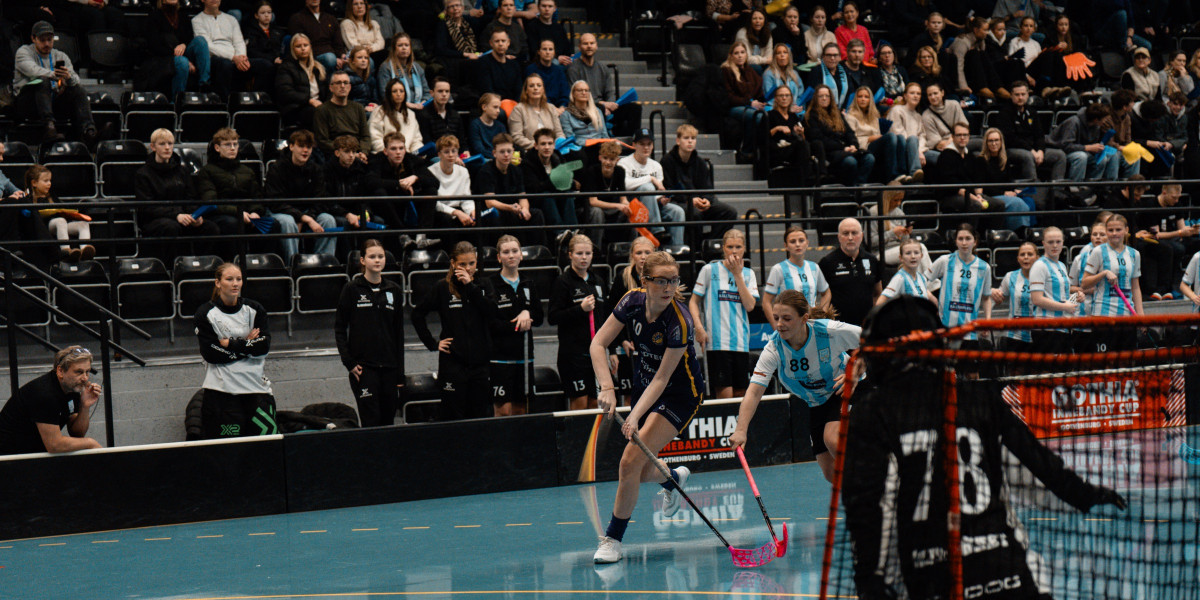
Annual events play an important role in the development of the Gothenburg region. When Göteborg & Co provided support to the nine largest recurring events in Gothenburg to measure their economic impact on tourism – that is, the money that participants and visitors spend during their stay in the region – the results showed a combined revenue of SEK 2.2 billion per year. Of this, the Gothia Cup Innebandy accounts for SEK 60.4 million.
– The Gothia Cup Floorball provides a significant economic boost to the destination during a time that is otherwise the off-season for the tourism industry in early January. There are 500 teams, with participants and accompanying guests from eight countries, who spend money in the region, says Niclas Freiholtz, Secretary General.
During a floorball tournament like the Gothia Cup Innebandy, participants stay at schools and hotels, play matches, and travel across large parts of Gothenburg.
– This means that businesses even outside the city center benefit from the economic impact, says Niclas Freiholtz.
– Unlike many other major events, we return every year. Furthermore, it costs the city nothing to host the tournament, while businesses and organizations can plan for the long term to capitalize on the opportunities the event creates.
The report includes the Gothia Cup, the Partille World Cup, and the Gothia Cup Floorball as three of the nine events studied. These three tournaments also collaborate on organization, infrastructure, and development. Together, the three tournaments generate SEK 1.45 billion in tourism-related economic impacts for the Gothenburg region.
The Gothia Cup’s contribution to the tourism economy amounts to SEK 993 million, making the football tournament the largest of the events studied. The Partille World Cup handball tournament generated a tourism economic impact of SEK 398.5 million.
Collectively, the three tournaments account for approximately 66 per cent of the total tourism revenue generated by the nine annually recurring events studied for the Gothenburg region. This demonstrates the importance of international youth tournaments for the region’s tourism industry, labor market, and long-term appeal.